
Tracking Device & Benefits
Tracking devices assist individuals in monitoring the whereabouts of items or living beings. They are available in several formats, such as GPS tags for pets and smartphones designed to locate lost belongings. Numerous individuals adopt these gadgets for purposes related to safety, organization, and ease of use. This article will examine the various types of tracking devices and their advantages, highlighting how they enhance daily life and improve security.
Understanding Tracking Devices
Tracking devices operate mainly through GPS technology, allowing users to see real-time locations of their vehicles or belongings. They come in various forms, such as portable GPS trackers and hardwired options that connect to a car's OBD-II port. Many leading brands offer solutions that send alerts and notifications via apps when users enter a geofence zone or encounter fuel level issues.
The technology provides reports for fleet managers to monitor multiple vehicles, enhancing security and user experience. For individuals, tracking devices can be useful for personal needs, such as keeping tabs on special needs children or personal belongings. Most devices are powered by rechargeable batteries, and their battery life can affect how often updates are sent. Users often subscribe to services that provide push notifications through network connections, ensuring alerts are timely.
Data privacy is maintained through secure web interfaces, encrypting information to protect users while still delivering the location data they require.
Types of Tracking Devices
Car GPS Trackers
Car GPS trackers provide various features that distinguish them from leading brands. Many offer real-time location updates, allowing users to monitor their vehicle's whereabouts constantly. Some include alerts for incidents like speeding or crossing geofences. Unique offerings, such as user-friendly apps, web dashboards, and comprehensive travel reports, are also available.
For personal use, portable options cater to specific requirements, while hardwired models connect through the OBD-II port for improved battery longevity and access to vehicle data, like fuel levels.
Owners often experience increased security with GPS tracking systems. These devices enhance safety by sending notifications about suspicious activity. They assist in monitoring personal items and can alert users when a vehicle crosses set geofences.
For fleet managers, GPS trackers enhance operational efficiency. With features like real-time oversight and analytics, they streamline processes and help lower fuel expenditures. The network of devices provides data to improve route planning and vehicle maintenance, enriching overall user experience. Subscription services often guarantee ongoing access to these functions, accommodating both personal and commercial requirements.
Personal Tracking Devices
When selecting a personal tracking device, individuals should seek features such as GPS tracking, battery life, and alerts. Users might prefer portable GPS trackers with extended battery life for convenient carrying. Many leading brands offer devices that notify users about vehicle status, including fuel levels. For those with special needs, devices can be hardwired into the vehicle's OBD-II port for real-time tracking.
Personal tracking devices enhance safety by providing quick location access and alerts to loved ones during emergencies. For families, these devices offer peace of mind by monitoring children or elderly relatives through apps that send notifications and alerts if they leave specified areas. Fleet managers gain insights from reports on vehicle locations and security through a user-friendly web interface.
A good tracking device ensures a comprehensive user experience, leveraging a strong network to deliver information about the whereabouts of personal belongings or vehicles. Subscription plans often enhance features, ensuring users have dependable support and the tools necessary to keep track of important individuals and assets.
Asset Tracking Devices
Asset tracking devices offer numerous features for effective monitoring of valuable items. One should consider GPS tracking for real-time location updates of vehicles and personal belongings. Alerts and notifications, such as push notifications when an asset exits a designated area or geofence, enhance security. Different technologies like GPS and RFID can influence performance—GPS trackers typically deliver accurate data for vehicles, while RFID is suitable for assets within a confined space.
Businesses gain from these devices by enhancing fleet management, gathering data on fuel levels, and producing reports that inform decision-making. For instance, a fleet manager can track vehicle performance using a hardwired setup through the OBD-II port, while a portable GPS tracker aids caregivers in monitoring individuals with special needs. Strong battery life is important for consistent functionality.
Additionally, many tracking solutions feature apps and web interfaces that improve user experience, although a subscription may be necessary for full access.
Key Benefits of Tracking Devices
Enhanced Security
Tracking devices enhance security by helping prevent the theft or loss of personal belongings and vehicles. Many leading brands offer GPS tracking that allows users to monitor their assets, whether it's a portable GPS tracker for personal use or a car GPS for vehicles. Users can receive alerts and notifications through apps, keeping them informed about any unusual activities.
Features such as geofences let users set virtual boundaries, and if those boundaries are crossed, real-time tracking sends push notifications. Subscribers can access detailed reports on fuel levels and charging, which can be monitored remotely through a web interface. For specific needs, devices can often be hardwired into a vehicle's OBD-II port, enhancing security while maintaining good battery life. Fleet managers gain from tracking devices as they can monitor multiple vehicles efficiently.
The overall user experience improves with the ability to receive alerts and information on their network, thus providing peace of mind regarding the safety of their assets.
Peace of Mind for Families
Tracking devices provide families with security and connection through real-time monitoring of vehicles and personal belongings. With leading brands offering GPS tracking, families receive alerts and notifications directly on their apps. This feature is particularly beneficial for parents who want to ensure their children's safety, allowing them to track locations and establish geofences that send notifications when loved ones enter or leave designated areas.
Furthermore, portable GPS trackers can assist individuals with special needs, ensuring they are safe and easily found. Tracking devices improve a family's ability to oversee fuel levels and battery life through an easy-to-use web interface. For those overseeing fleets or seeking reassurance about vehicle security, hardwired options can connect via the OBD-II port. Subscription services offer detailed reports, providing insights into driving habits and location history.
With these advantages, families can stay connected and informed about their loved ones and valuable belongings, thereby reducing daily stress.
Improved Fleet Management
Improved fleet management helps businesses save money and work more efficiently by using GPS tracking devices. Top brands offer various types of GPS trackers, like hardwired options for permanent use or portable GPS trackers that can be moved from one vehicle to another. These devices provide real-time tracking and send alerts through apps and push notifications. Fleet managers can receive reports on fuel levels, battery life, and vehicle performance, which aids in making informed decisions.
Communication among fleet personnel becomes easier as they can share information quickly through a web interface. Special needs can be addressed through geofences that notify when a vehicle enters or exits a designated area, ensuring security for personal belongings. Subscription services often provide updates on charging for devices using an OBD-II port. The user experience is improved as everyone stays informed about vehicle status thanks to notifications.
By employing these tools, businesses can maintain compliance with safety standards while managing their fleet more effectively.
Popular Tracking Devices on the Market
Tracki
Tracki offers a variety of features that set it apart from other tracking devices on the market. These devices often include GPS tracking, real-time monitoring, and customizable geofences that notify users through push notifications if their vehicle or belongings move outside a designated area. Users can also expect longer battery life with the option for hardwired connections through the OBD-II port in vehicles.
For families with special needs, Tracki provides alerts and reports that enhance security, helping to keep loved ones safe while giving caregivers peace of mind. Furthermore, the app provides a user-friendly web interface that allows easy access to tracking information and fuel levels for fleet managers. With top brands offering similar technology, Tracki stands out with subscription options and portable GPS trackers that cater to both personal use and fleet management.
Bouncie
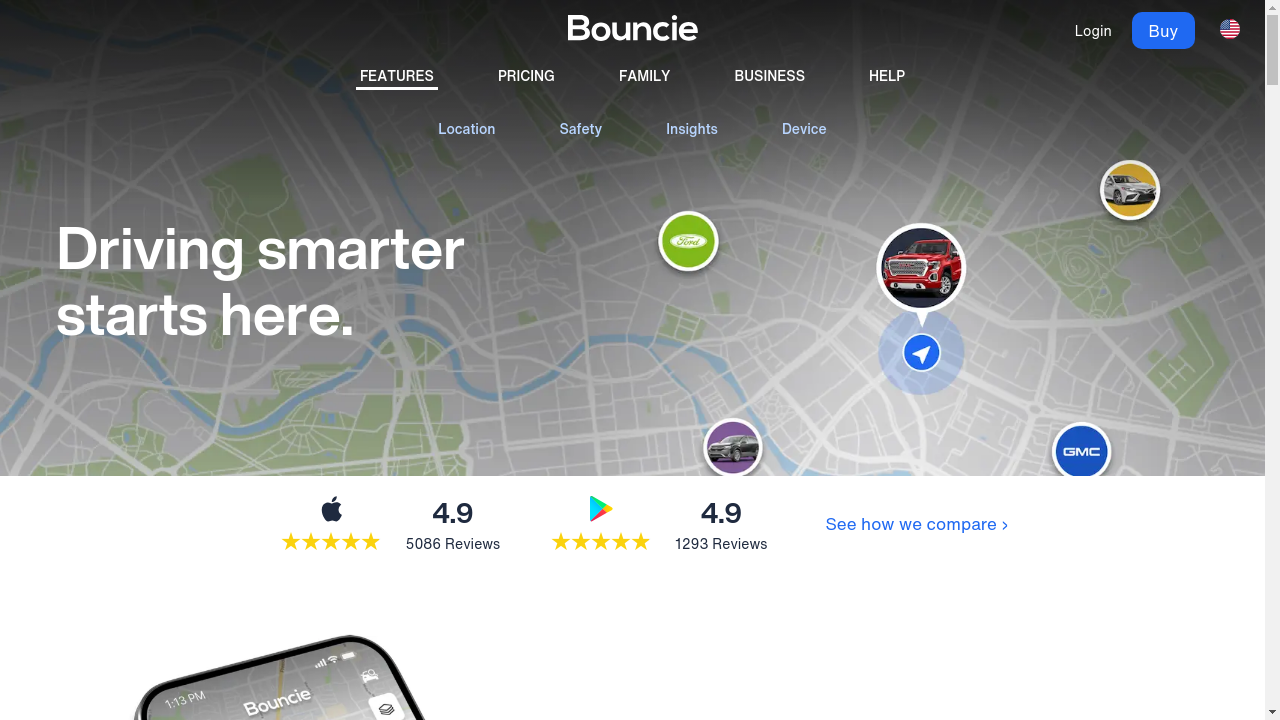
Bouncie offers several features that set it apart from other car GPS trackers in the market. It connects to the OBD-II port of the vehicle, providing real-time tracking and notifications about fuel levels and battery life. Users can receive push notifications and alerts through apps on their devices, allowing them to set geofences for added security.
This is particularly beneficial for families with special needs, as the device provides reassurance by tracking personal belongings and alerting users if a vehicle moves outside designated areas. For businesses, Bouncie enhances fleet management by offering reports through a web interface, enabling fleet managers to monitor vehicles in real-time. The device’s portable GPS tracker nature and hardwired options cater to various user experiences. Subscription services facilitate the tracking of multiple vehicles, making it suitable for managing various assets.
LandAirSea 54
The LandAirSea 54 offers unique features that make it stand out among top brands in GPS tracking devices. It provides real-time tracking, allowing users to see the exact location of vehicles or personal belongings on a web interface or through apps. With capabilities for geofences, users receive alerts and push notifications if an item moves outside designated areas, adding an extra layer of security.
Compared to other popular GPS trackers, the battery life of the LandAirSea 54 is impressive, meaning it can operate for extended periods before needing a charge, which is important for tracking vehicles or special needs situations. This device is also portable, making it easy to switch between personal use and tracking assets. Fleet managers can efficiently monitor fuel levels and vehicle locations through its OBD-II port connection, ensuring optimal management of their fleets.
With its subscription service, users can access reports detailing each device's performance, enhancing overall user experience while covering a broad range of tracking needs from family safety to asset protection.
Apple AirTag
Apple AirTag offers several unique features compared to other personal tracking devices from top brands. It incorporates GPS tracking and connects through apps, providing real-time tracking of belongings. Users receive alerts and push notifications when items are out of range, enhancing security. With geofence capabilities, users can set up boundaries for items, and if those boundaries are crossed, notifications are sent.
The AirTag ensures a smooth user experience with easy setup and management through a web interface. However, there are some limitations. The battery life may vary, and users might need to subscribe for more advanced features. AirTag relies on a network for location updates, which may not function well in areas with low connectivity. While it is effective for personal use, such as tracking keys or bags, it may not be suitable for fleet managers who require hardwired devices like OBD-II port trackers to monitor vehicle fuel levels and performance.
Spytec GL300
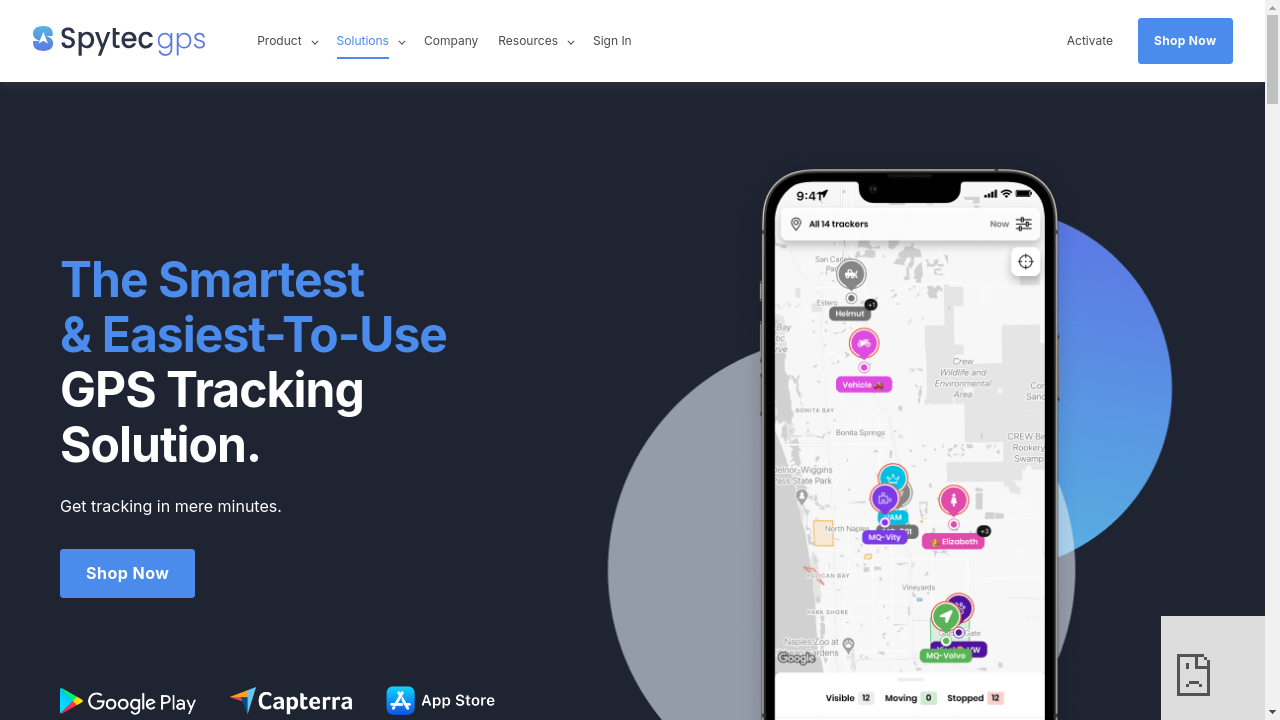
The top brands of GPS trackers that are popular with users often have features that make them attractive options for tracking vehicles or personal belongings. A portable GPS tracker can offer real-time tracking and alerts, allowing for instant notifications through apps. Many devices, like car GPS systems or those for special needs, provide a web interface that includes reports on locations and alerts when someone leaves a geofence.
Battery life is important; many devices have long-lasting batteries, but some, like those powered by the OBD-II port, may require less charging. Users can track fuel levels and receive push notifications, enhancing the user experience. Devices designed for fleet managers can even hardwire to a vehicle for continuous tracking. Subscription services often come with these GPS trackers, ensuring the network supports timely updates.
The ability to monitor multiple vehicles or personal use items provides a wide range of options for users seeking security and convenience in tracking their assets. These features make tracking devices from brands like Bouncie a smart investment.
Kayo GPS Tracker
Many users seek GPS trackers that provide real-time tracking and user-friendly apps. This device distinguishes itself with robust power and remarkable battery life, enabling users to monitor vehicles and personal belongings effectively. Alerts and push notifications keep users updated on any movement, while geofences allow for safe zone establishment. With a web interface and in-depth reports on fuel levels and additional metrics, it improves the user experience.
Although top brands may offer similar features, this tracker stands out in accuracy and performance. Fleet managers often prefer it because of its hardwired option for vehicles, making it ideal for tracking multiple assets. Subscription plans usually encompass all necessary elements of tracking. Furthermore, the portable option guarantees versatility for personal use, and its connection to the OBD-II port streamlines installation.
Its strong network ensures consistent performance, making it a reliable choice for both business and special needs tracking.
Factors to Consider When Choosing a Tracking Device
Accuracy and Reliability
Tracking devices employ GPS technology to ensure accurate location data. They can send real-time alerts and notifications, allowing users to effectively monitor personal belongings or vehicles. Many models include portable GPS trackers suitable for various needs. Signal reliability can be affected by environmental factors like dense buildings or heavy foliage, whereas devices designed for fleet management often feature hardwired connections for enhanced power.
User reviews and expert evaluations significantly shape understanding of each device's performance. Reports on battery life and charging inform users about operational duration, while app and web interface ratings provide insight into user experience. Leading brands incorporate features such as push notifications and geofences, enabling users to establish boundaries for their tracking. For instance, a car GPS may monitor fuel levels and send alerts when a vehicle crosses a designated boundary.
Additionally, OBD-II port devices can track vehicle data, enhancing overall functionality and user satisfaction.
Battery Life
Battery life varies greatly among tracking devices, with most lasting from a few days to several months on a single charge, depending on the type and usage.
For example, portable GPS trackers often have shorter battery life due to frequent updates for real-time tracking, whereas hardwired options like those connected to a car's OBD-II port may last longer as they draw power directly from the vehicle. Usage frequency and environmental factors, such as extreme temperatures or frequent notifications from alerts, can also impact battery performance. Users can extend battery life by adjusting settings, such as reducing update frequency or using geofences that limit when tracking takes place. Many apps offer options to customize notifications and alerts, minimizing power consumption. Fleet managers often depend on reports to monitor fuel levels and battery status, ensuring that tracking of vehicles and personal belongings stays efficient without unnecessary charging.
Leading brands may provide additional features and subscription plans that enhance user experience through optimized battery management options.
Cost and Subscription Fees
Subscription fees for tracking devices can vary significantly based on the brands and features offered. For instance, a portable GPS tracker may have a lower monthly fee if it includes basic tracking and alerts, while a comprehensive car GPS with real-time tracking and notifications could incur a higher cost. Some services might impose an activation fee or cancellation penalties that subscribers should keep in mind.
Consumers can find different plans tailored for personal or fleet use, where options like hardwired devices and those utilizing the OBD-II port may have differing rates. The total cost of ownership also varies among popular brands when considering the device purchase price and ongoing charges. Certain GPS trackers provide enhanced user experiences with features such as geofences and push notifications for security regarding personal belongings, whereas others may offer in-depth reports on fuel levels or battery status.
This pricing range, along with the type of network and app accessibility, can affect which device users select for their distinct tracking requirements.
Wrapping up
Tracking devices have gained traction due to their diverse applications and benefits across multiple sectors. These small electronic gadgets are designed to monitor the location and movements of people, vehicles, and assets in real-time.
One major advantage of tracking devices is improved security. They can assist in recovering stolen vehicles or property by providing precise location data to law enforcement. Many families also use tracking devices to ensure the safety of children or elderly relatives, offering peace of mind in case of emergencies.
In business, tracking devices are valuable for logistics and fleet management. Companies can optimize routes, enhance delivery efficiency, and reduce operational costs by monitoring vehicle movements. This data helps in maintaining accountability and boosting overall productivity.
Health and fitness tracking devices are particularly popular among individuals looking to monitor their physical activity. These devices often include features that track steps, heart rate, and sleep patterns, helping users achieve their fitness goals and understand their health metrics better.
Furthermore, the integration of GPS technology into tracking devices enhances accuracy and reliability. Advances in battery life and connectivity have also made these devices more user-friendly and accessible, encouraging widespread adoption.
FAQ
What are the main benefits of using a tracking device?
Tracking devices offer real-time location monitoring, enhancing security and safety. For example, they can help locate stolen vehicles or keep tabs on children during outings. Additionally, they assist in route optimization for deliveries, improving efficiency and reducing travel time.
How do tracking devices work to monitor location?
Tracking devices use GPS technology to determine their location and send data to a server. For example, personal GPS units or smartphone apps can provide real-time location updates and route history, while pet trackers may alert you if your pet leaves a designated area.
Can tracking devices be used for both personal and commercial purposes?
Yes, tracking devices can be used for personal purposes, like keeping tabs on children or pets, and for commercial uses, such as fleet management or asset tracking. For example, families can use GPS trackers for safety, while businesses can monitor vehicle locations for efficiency.
Are tracking devices safe and secure for my privacy?
Tracking devices can vary in safety and security. Choose reputable brands with strong encryption features, such as Tile or Apple AirTag. Regularly review privacy settings, disable location sharing when not needed, and monitor your accounts for unauthorized access to enhance your privacy.
What features should I look for when choosing a tracking device?
Look for GPS accuracy, battery life, size, real-time tracking, and mobile app compatibility. For example, a device like Tile Pro offers long-range tracking, while Apple AirTag integrates seamlessly with iOS. Check for geofencing features to receive alerts when your item leaves a designated area.